Julien Mauve
Il Miracolo
Julien Mauve
exhibition view. Photo : Alexandre wallon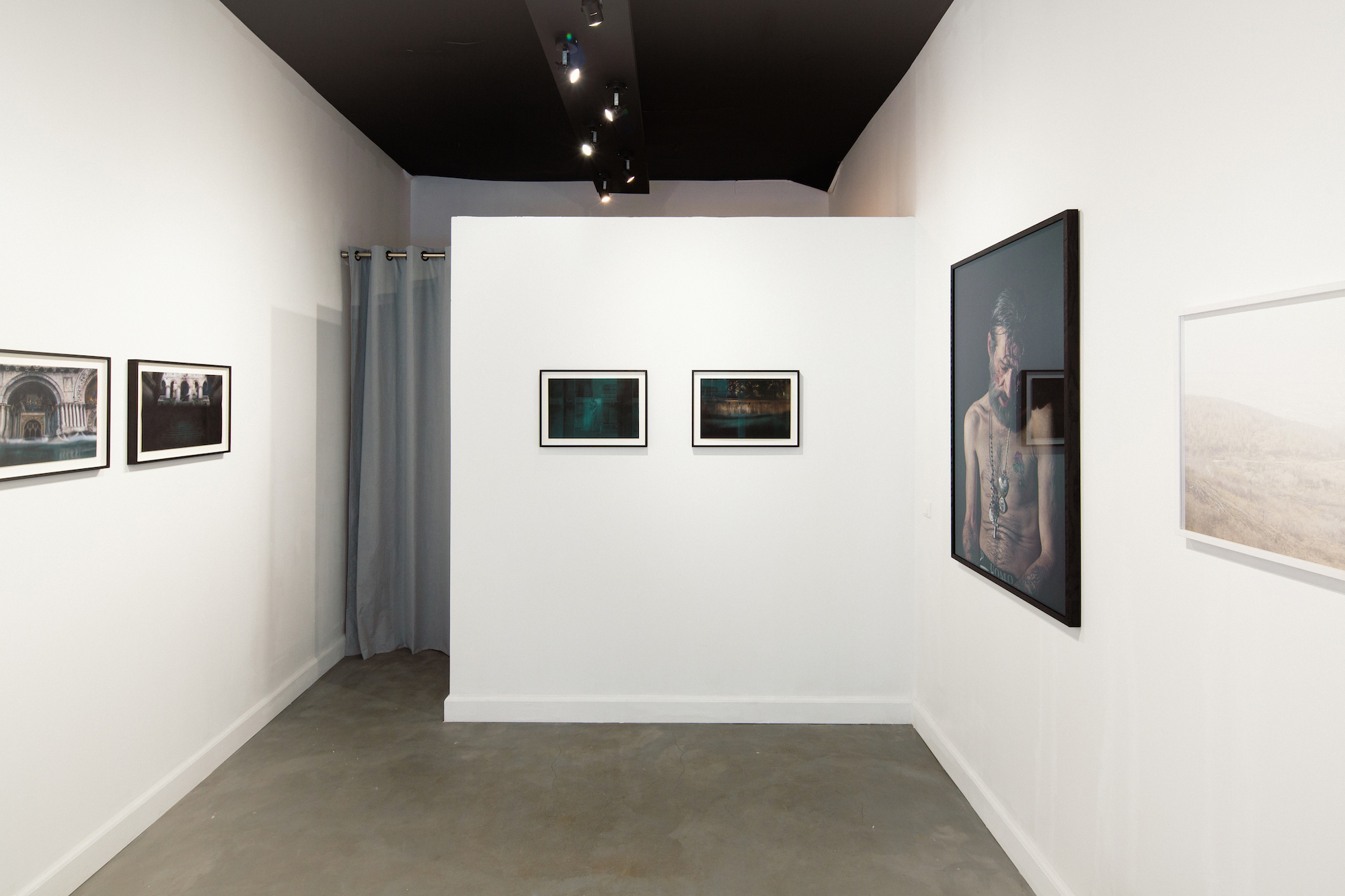
Il Miracolo
Julien Mauve
exhibition view. Photo : Alexandre wallon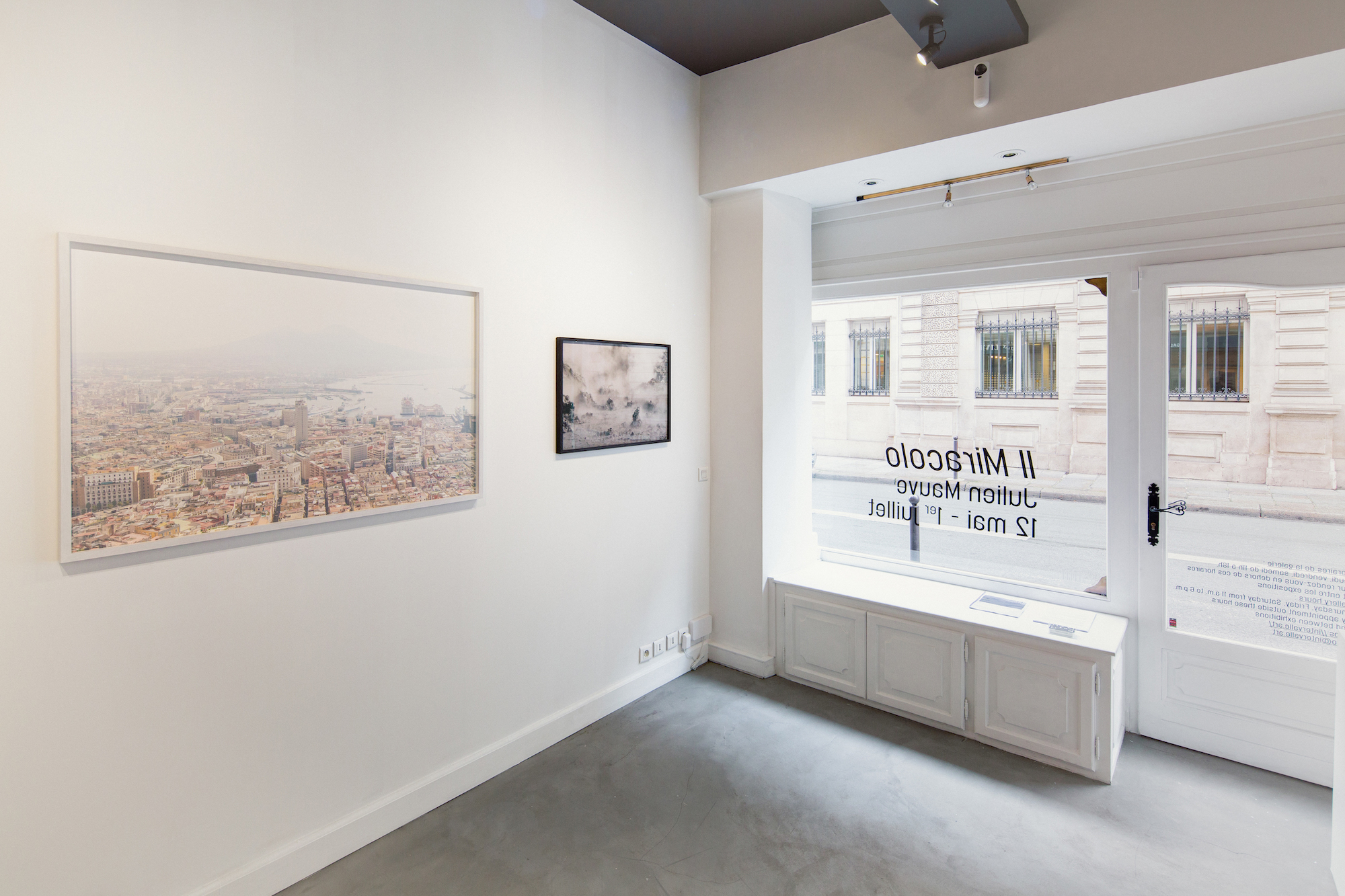
Il Miracolo
Julien Mauve
exhibition view. Photo : Alexandre wallon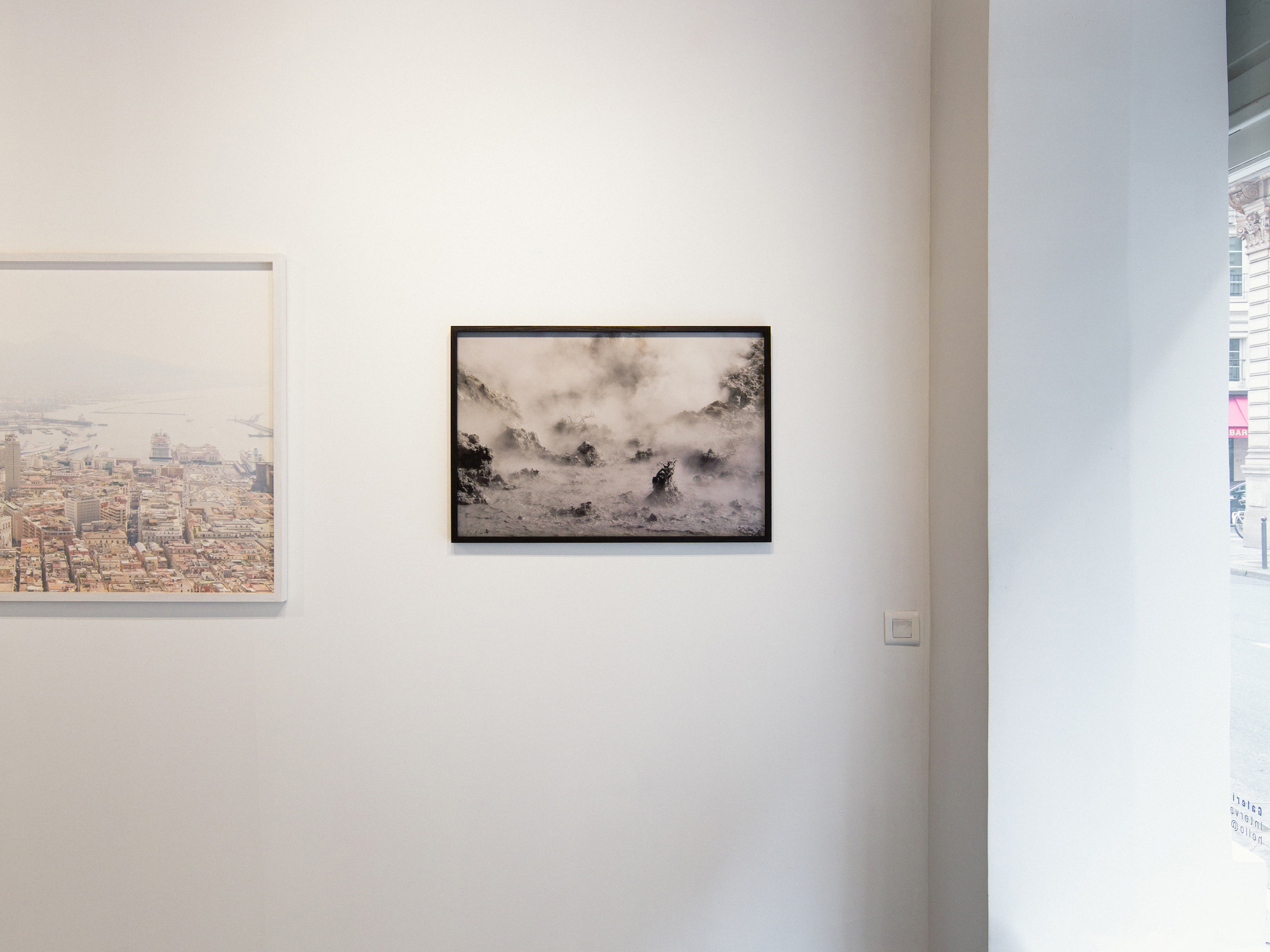
Il Miracolo
Julien Mauve
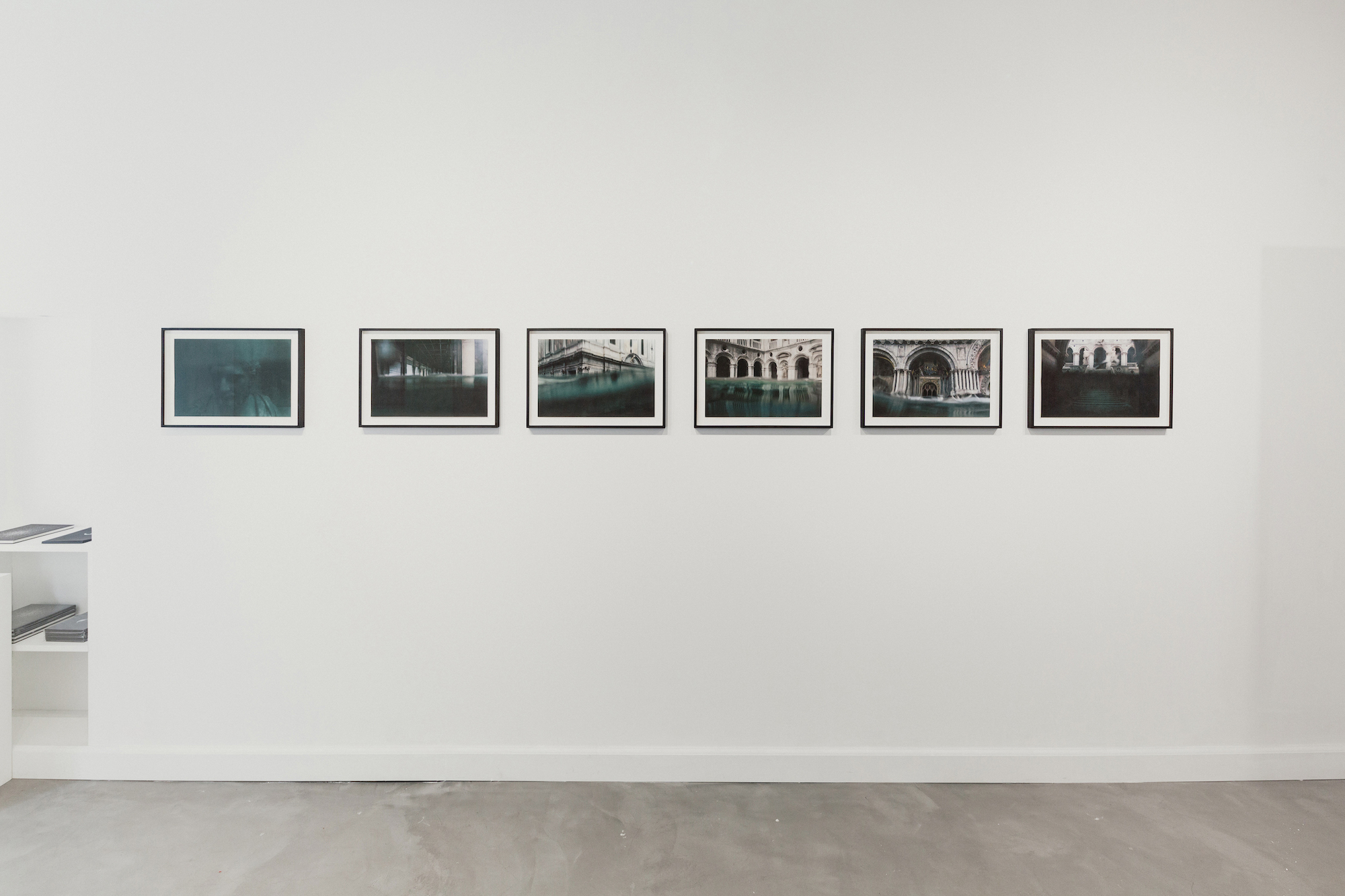
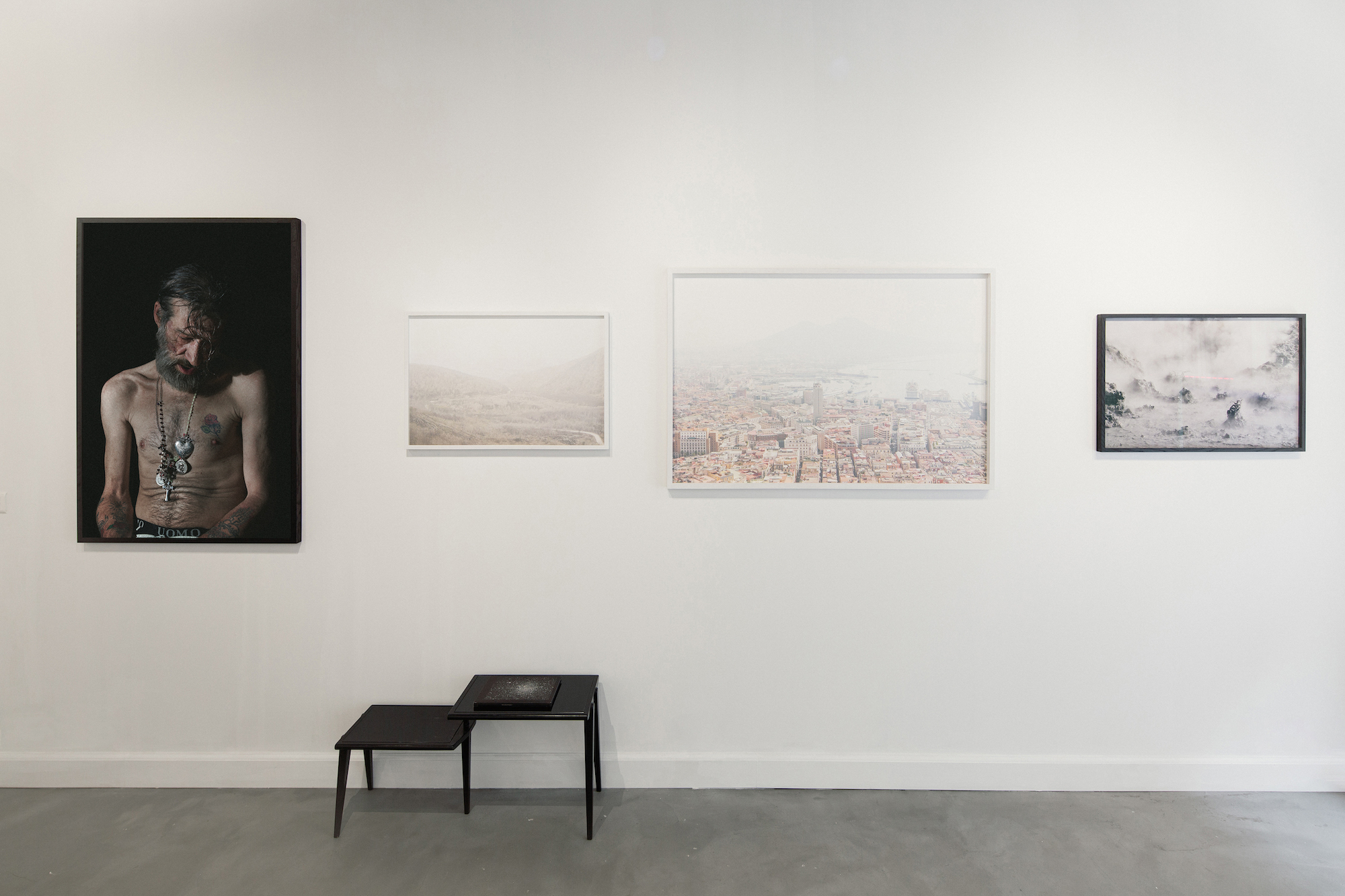
exhibition view. Photo : Alexandre wallonFor his third solo exhibition at the gallery, Julien Mauve offers a new interpretation of a recurring theme that could be titled “The World After Us.” *Il Miracolo (I)*, created in Naples, and *Il Miracolo (II)*, in Venice, celebrate fire and water—the building blocks of the universe—while confronting existence with the threats it faces: Mount Vesuvius in Naples and Venice’s sinking due to climate change.
In Naples, Mauve sets the first stage of his investigation in the heart of the bay, a site of uncontrolled urban development surrounding the volcano. There, the anxiety over eruptions is constantly tempered by the fertility of the soil, cultural vitality, and religious strength. Through repeated visits, he deepens a visual and sensory experience and conducts an anthropological photographic study: the volcano’s silent breath becomes a starting point. He observes nature and the city, measures movements using the observatory’s sensors, and composes a collective portrait of a society capable of surviving at all costs the power of a fertile giant, which can become a merciless god.
Since science cannot predict the future, faith steps in: this is the annual miracle of the liquefied blood of “Saint Janvier,” described as early as 1799 by General Thiébault as a means of exorcising the fear of human finitude and the immensity of nature.
In Venice, Mauve reverses the perspective: climate change is evident there in the rising waters, a threat to a fragile balance. The city, unlike the Venus of classical iconography, will not be able to rise again. Thanks to an abstract technique that involves photographing through a portable aquarium filled with tinted water, the works project the viewer’s gaze beyond time. They act as antidotes to the decline depicted elsewhere—a stifling atmosphere, the retreat of humanity, and silent ruins. All that remains are the traces of closed doors and windows, and shops lying dormant beneath the arcades.


